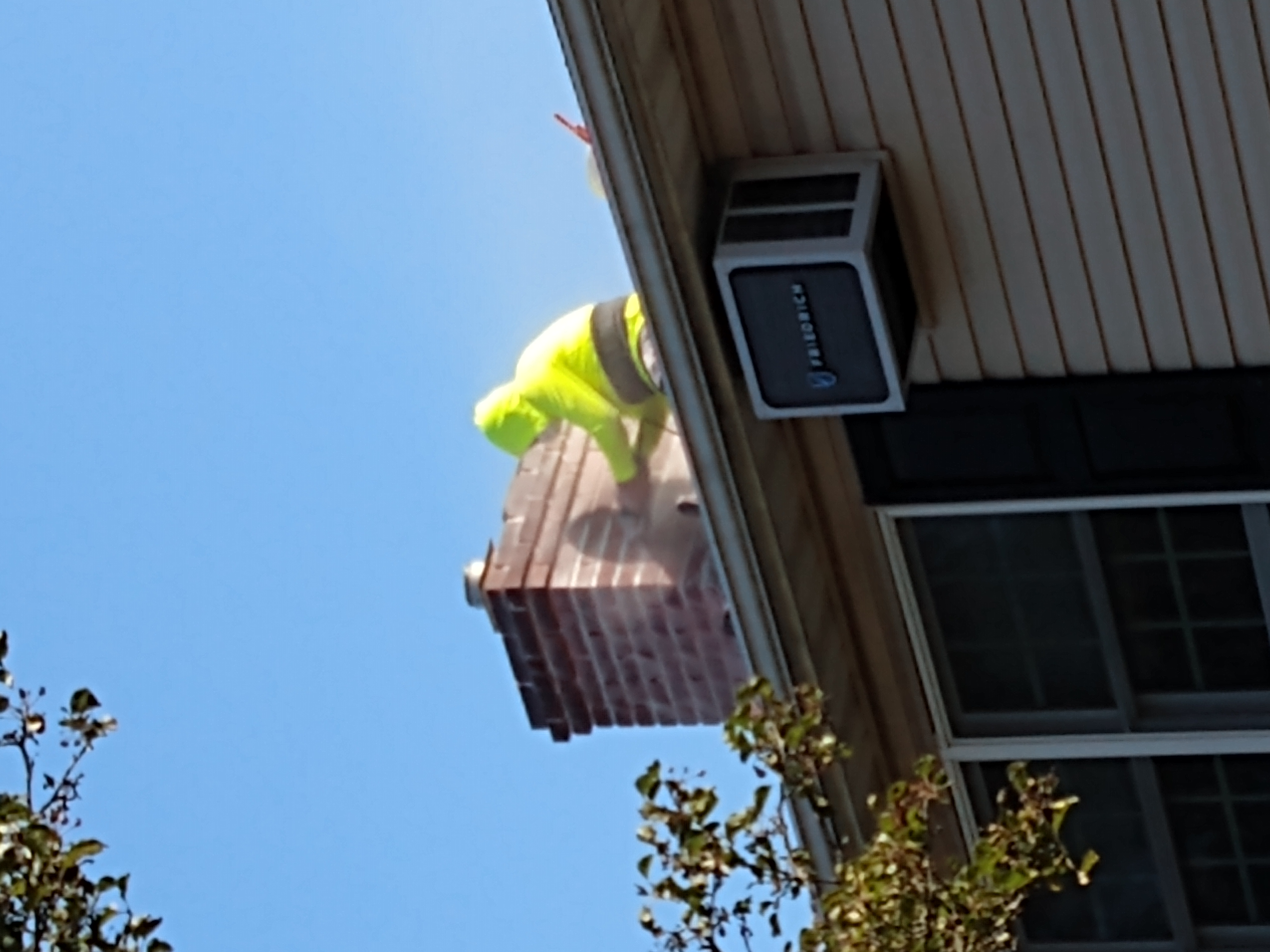
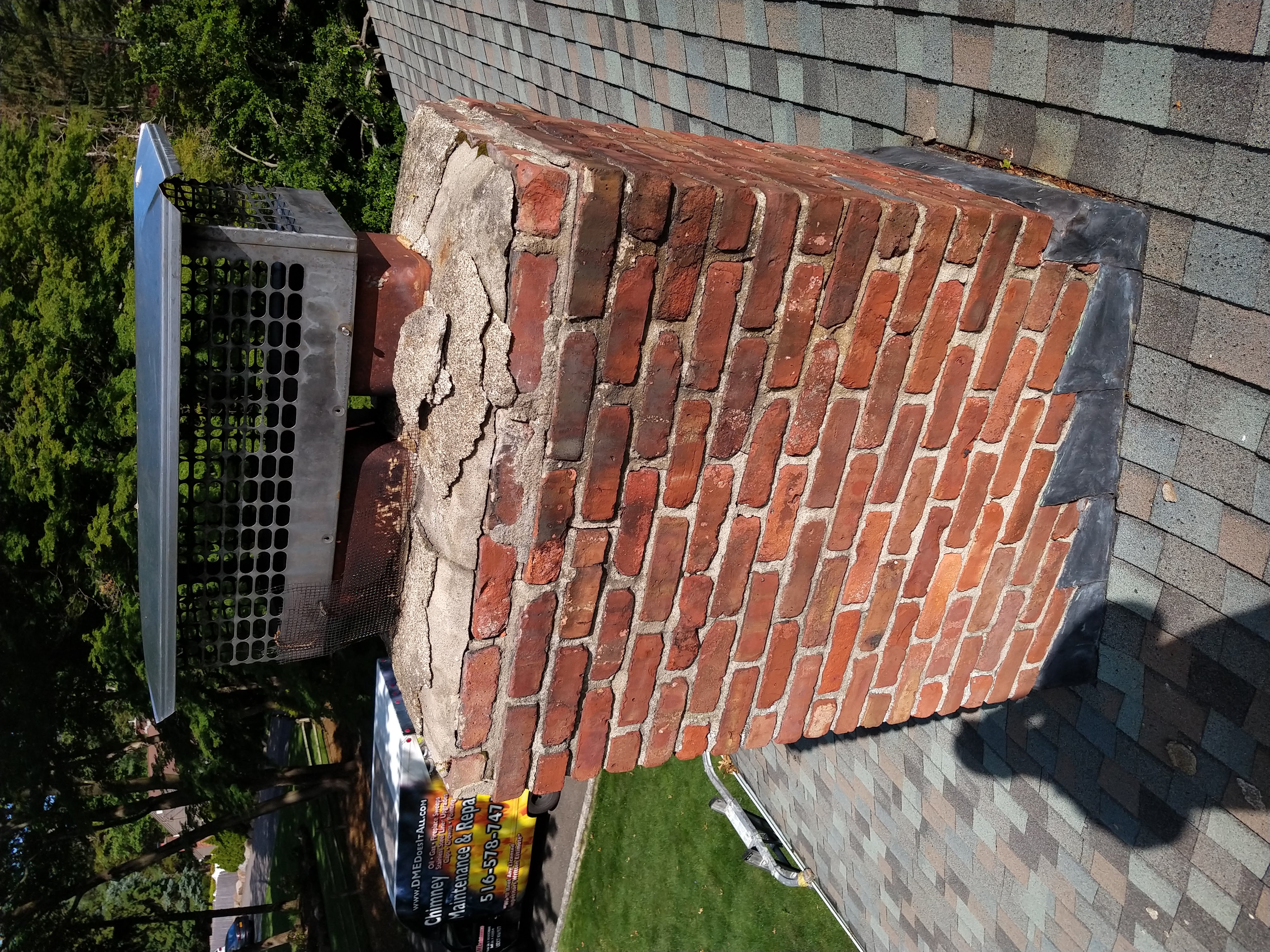
Chimney mortar doesn't last forever, and on Long Island, the combination of salt air, seasonal moisture, and repeated freeze-thaw cycles accelerates deterioration significantly. When mortar joints crack and crumble, water begins to seep behind the brickwork. This moisture infiltration leads to internal damage, rust on dampers and flashing, and structural weakening that compounds quickly. Homeowners in Elmont often notice missing or loose mortar joints long before they realize how much damage has already occurred inside the chimney system. Pointing and tuckpointing services address this problem directly by removing failed mortar and reinstalling new material that bonds properly and seals effectively.
The difference between pointing and tuckpointing is subtle but worth understanding. Pointing is the standard process of raking out old mortar and filling the joints with fresh material. Tuckpointing involves an additional aesthetic step: a thin line of contrasting mortar is applied on top to create a defined joint appearance, often used when matching historic brickwork. Residents of Elmont with older homes frequently benefit from tuckpointing because it restores both function and visual appeal simultaneously. Whether your chimney needs basic repointing or the more detailed tuckpointing approach, the goal remains the same: stopping water infiltration and extending chimney life by decades.
Elmont homeowners should know that Long Island's climate is uniquely harsh on masonry. Winter temperatures regularly dip below freezing, especially during January and February. When moisture sits in mortar joints and then freezes, it expands with tremendous force. This freeze-thaw cycle breaks mortar apart from within, creating gaps that are visible from the outside. By spring and summer, when temperatures stabilize and humidity levels become more moderate, those failed joints have already compromised the chimney's water-shedding ability. Spring and summer are actually the ideal seasons for mortar work because new mortar cures and hardens properly in warmer conditions. Homes in Elmont with visible mortar damage should be addressed before the next winter season arrives.
Water intrusion through failed mortar is not just a surface issue. When water penetrates behind the chimney's outer brick layer, it reaches the flue liner, damper assembly, and internal structural components. Moisture can rust metal components, deteriorate the flue liner, and eventually leak into the attic or living spaces. On Long Island, where many homes rely on oil heating systems, a compromised chimney can create dangerous drafting problems. Proper air flow is important for safe operation. Homeowners in Elmont who notice water stains near the chimney, damp spots in the attic, or rust on visible metal parts should schedule an inspection promptly. Pointing work catches and reverses these problems before they require expensive structural repairs.
The mortar used in chimney pointing is not ordinary concrete. It must match the original mortar's composition, strength, and flexibility to ensure compatibility with existing brickwork. Using the wrong mortar type can actually cause more damage than doing nothing at all. Modern mortar must also be softer than the brick itself, which allows it to sacrifice itself during freeze-thaw cycles rather than cracking the brick. The expertise lies in understanding your chimney's age and original materials, then selecting and mixing the appropriate mortar formula. At DME Maintenance, we bring over 2001 years of experience working with chimneys throughout Elmont and Nassau County, ensuring that every mortar mix is correct for your specific situation.
Elmont residents should recognize that chimney deterioration is progressive and predictable. Small cracks in mortar joints expand every winter. Loose bricks begin to shift and settle. Eventually, the chimney becomes a liability rather than an asset. Early intervention through pointing keeps this from happening. Spring and early summer are your best windows to schedule this work because the weather cooperates with the mortar curing process. Once autumn arrives and temperatures become inconsistent, mortar curing slows significantly. Waiting until fall or winter delays your project and increases the risk that another freeze-thaw season will cause additional damage before repairs are complete.
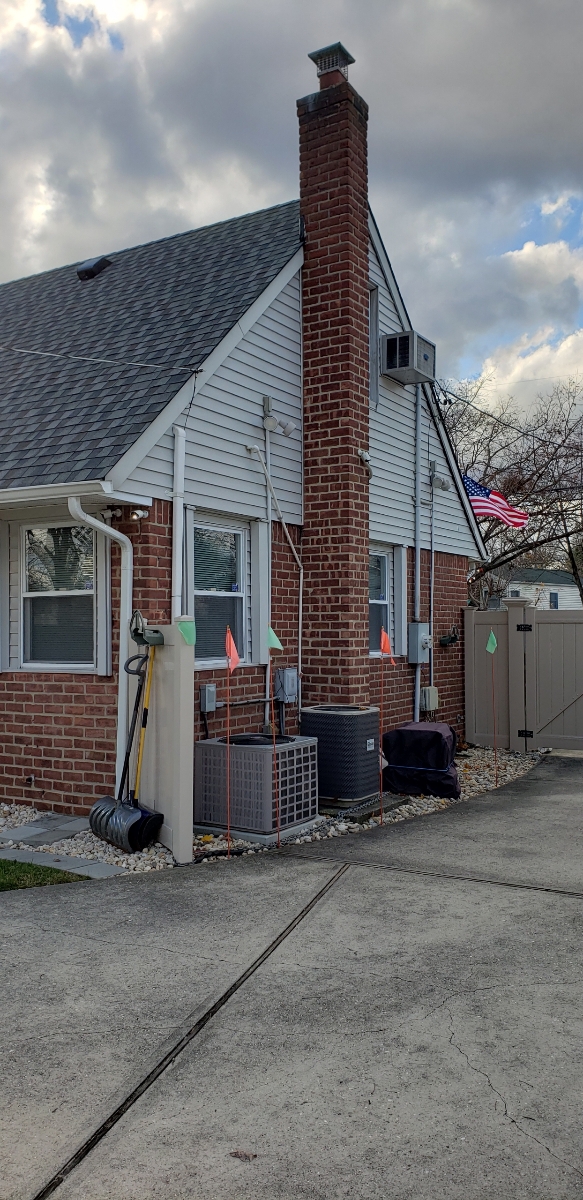
We work throughout Elmont, covering every corner of the community. Our familiarity with Elmont means we understand the local architecture and the specific chimney maintenance challenges that come with Long Island's climate — wet winters, freeze-thaw cycles, and the salt air that accelerates mortar deterioration over time.
Visual inspection is your first line of defense. Walk around the exterior of your home and examine the chimney from the ground, using binoculars if needed to see the upper portions clearly. Look for missing mortar joints, cracks that run horizontally across mortar lines, or bricks that appear to be shifting out of alignment. Homeowners in Elmont often discover mortar damage during routine spring cleaning or gutter maintenance. If you spot deterioration, take a photo and schedule a professional evaluation soon afterward. Early action prevents small problems from becoming emergencies that require more invasive repairs or temporary restrictions on chimney use.
DME Maintenance has served Elmont and the surrounding Nassau County area since 2001. We're a licensed chimney service company with Douglas Eberling as owner and operator. DME Maintenance understands the specific challenges that Long Island chimneys face, from salt-laden air near water bodies to the intense seasonal temperature swings. We approach every pointing project with attention to detail and respect for the integrity of your home's structure. If you're noticing mortar deterioration on your chimney or suspect water damage may be occurring, contact us now at 516-690-7471. Spring and summer conditions are ideal for mortar work, and scheduling sooner rather than later ensures your chimney is protected before another winter freeze cycle arrives.